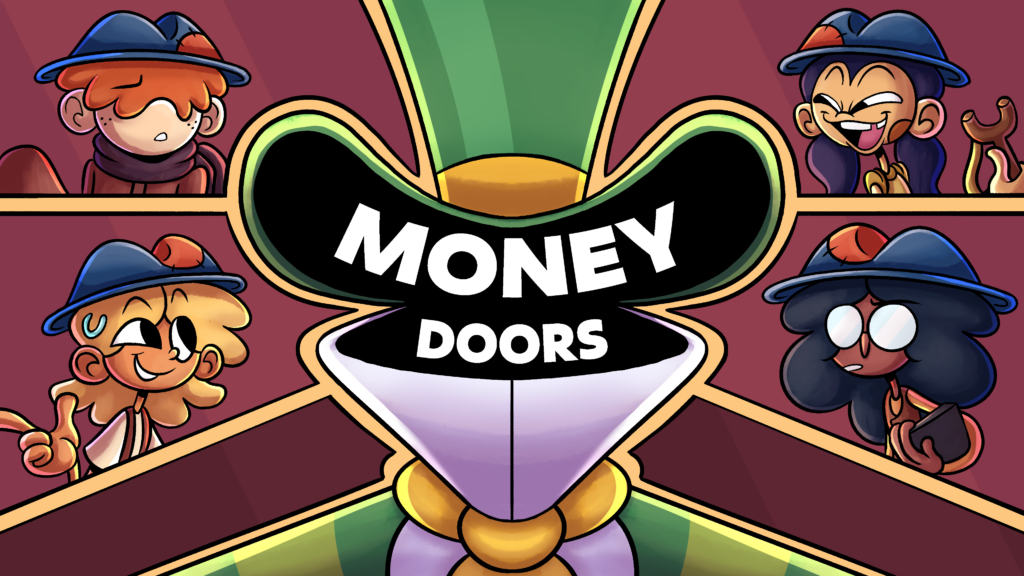
Money Doors is a multiplayer game in which young people aged 12 to 14 learn how to manage money through play. During short minigames, players make decisions about saving, spending, and taking financial risks.
Every decision directly affects the amount of money available and the final outcome. This way, Money Doors makes financial topics easy to understand, tangible, and fun to explore together.
Assignment
Financial topics can seem abstract or unappealing to young people. They often understand the importance of saving and spending wisely, but do not always immediately recognize the long-term consequences of their financial decisions.
In collaboration with Rabobank, GameLab Oost developed a serious game that allows young people to experience these consequences firsthand. The goal was to transform financial education into an accessible gaming experience that encourages experimentation, collaboration, and discussions about financial decisions.
Development began with research into the financial behavior of young people. This research focused on topics such as pocket money, digital payments, small everyday expenses, online purchases, and peer pressure.
The research revealed that young people start making independent financial decisions at an early age. At the same time, quick digital payments and small, recurring purchases can make it difficult to keep track of their spending.
Deze inzichten vormden de basis voor een game waarin spelers niet alleen informatie krijgen, maar zelf ervaren wat sparen, uitgeven en financiële risico’s met hun mogelijkheden doen.
During the ideation phase, various game concepts were explored and tested. This eventually led to a multiplayer game in which players discover short minigames behind different doors.
At the start of the game, players decide how much money they want to set aside. Savings cannot be spent during the game but grow over time. This creates an immediate trade-off between financial security for the future and having enough money available to spend during gameplay.
For each minigame, players also choose a difficulty level. An easier version costs more money, while a more challenging version is cheaper but involves greater risks. Through a negotiation system, players can also accept offers that may seem appealing but could come with hidden drawbacks.
Money Doors was developed in Godot as a multiplayer game for one to four players. Players connect using a room code and progress through several rounds together.
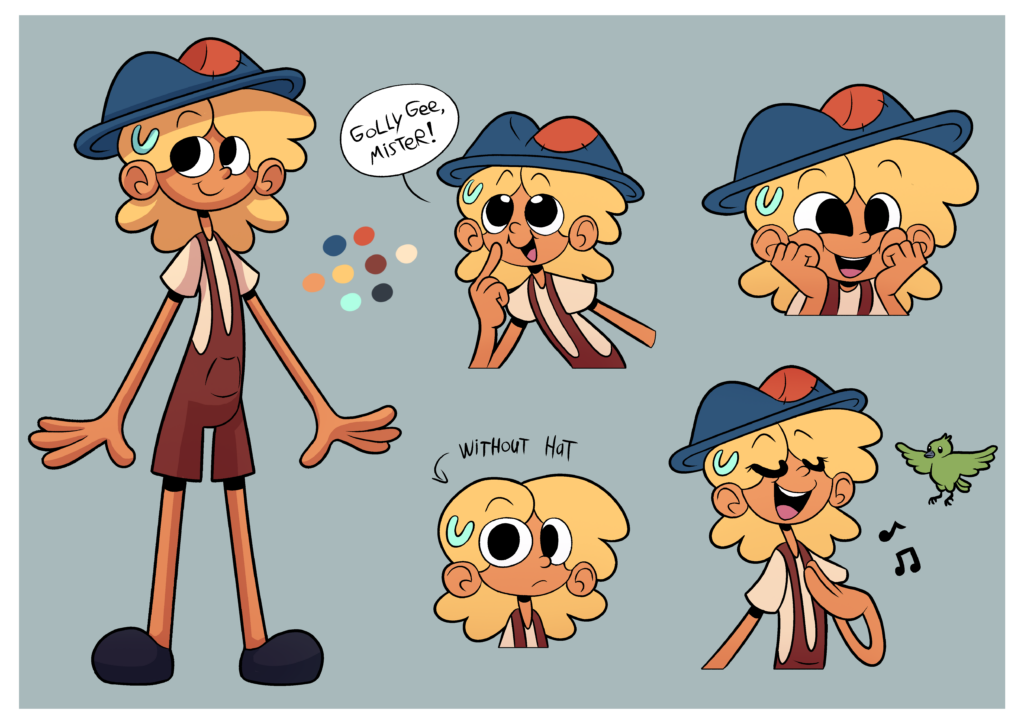
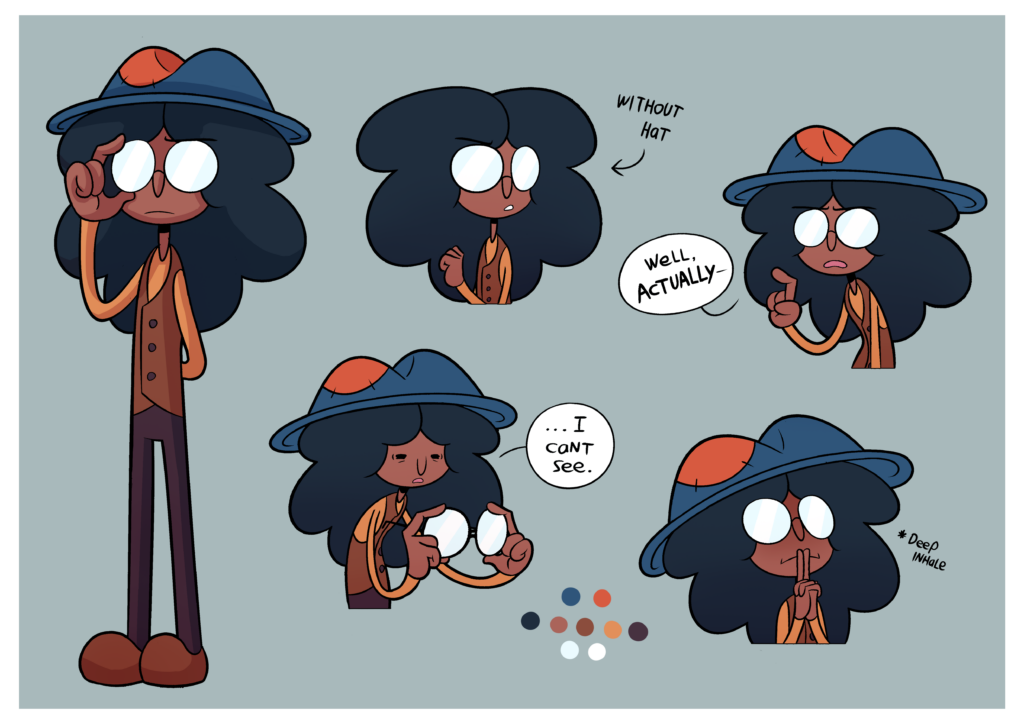
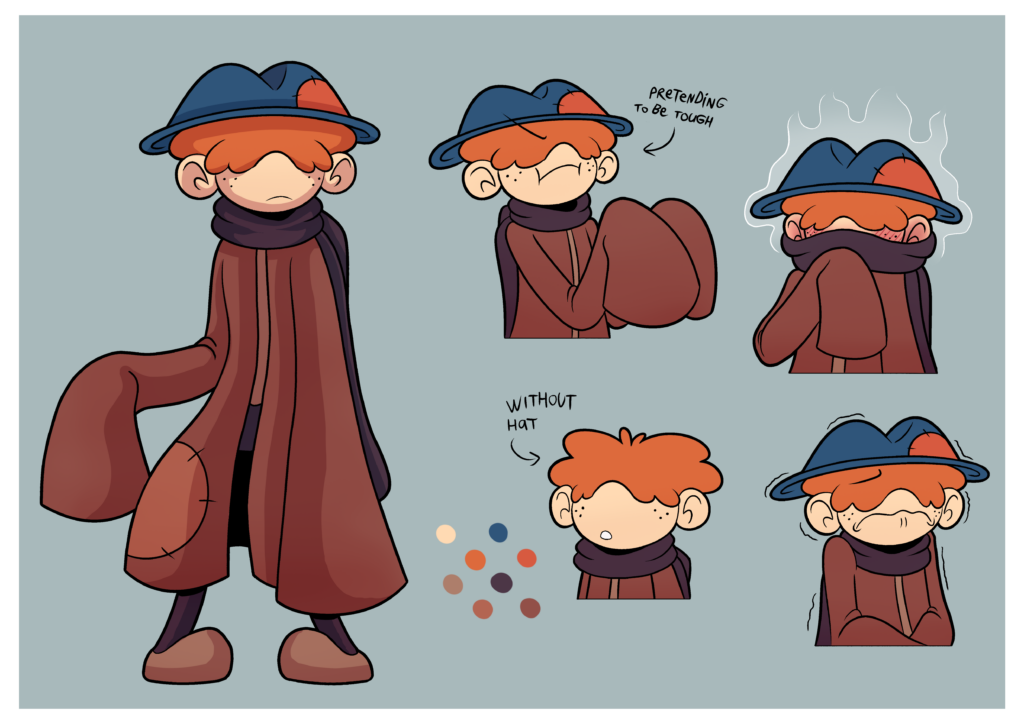
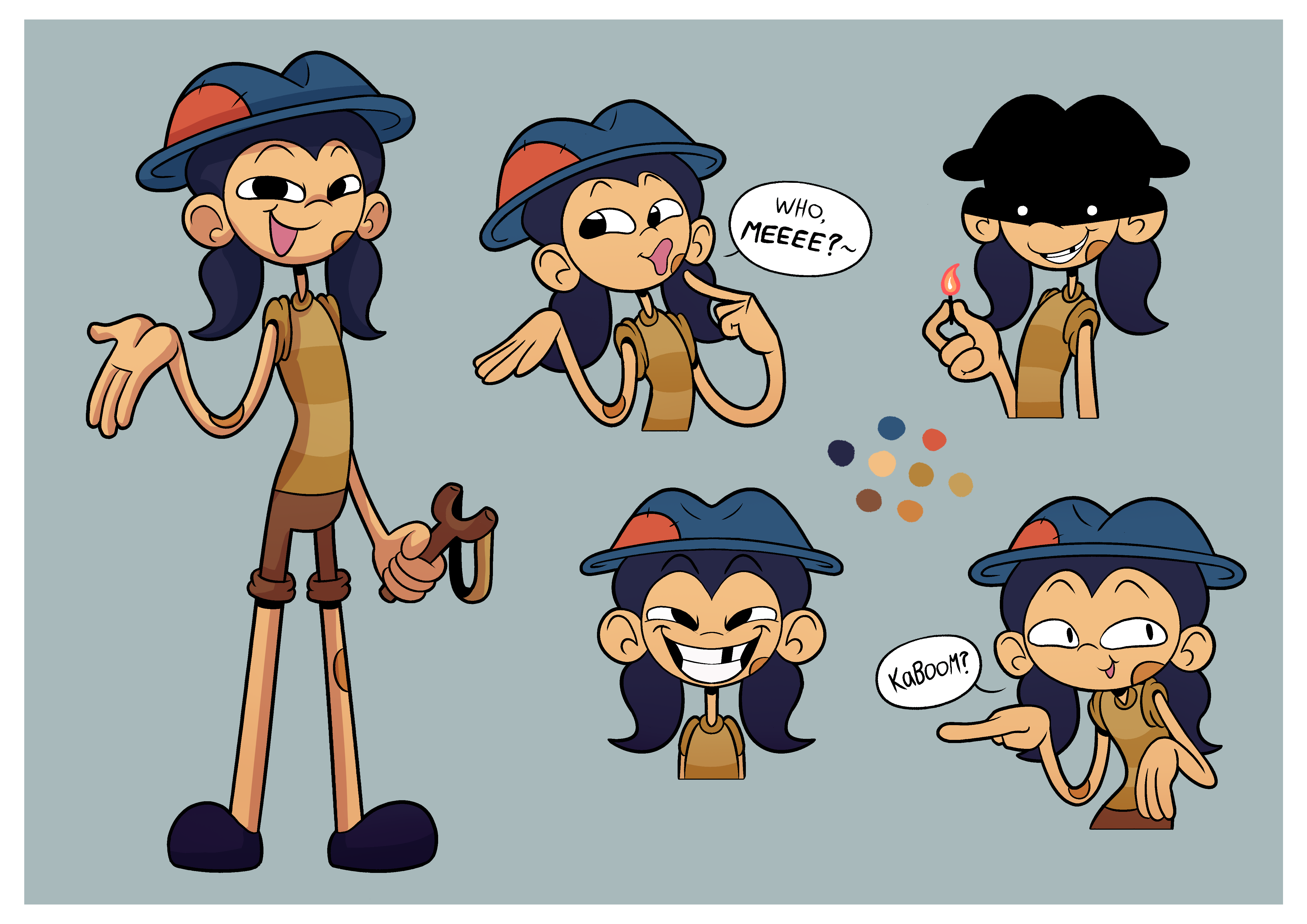
The game features a savings system, character selection, minigames, difficulty settings, negotiations, rewards, and a shared final score. Although players complete minigames individually, their results contribute to the team's overall performance.
During user testing with the target audience, the team evaluated whether the instructions, choices, and financial consequences were clear enough. Based on these tests, improvements were made to the doors, tutorials, difficulty costs, savings options, and result notifications. These changes made it easier for players to understand the cost of each decision and its impact on the final outcome.
The result is a playable multiplayer prototype in which young people can experiment with financial decisions without real-world consequences. By saving money, weighing risks, and working together, they experience how different decisions affect their own finances and the team's overall performance.
Money Doors makes financial education interactive and encourages discussion. Rather than simply telling players what the right financial decisions are, the game allows them to discover which strategies work and what happens when a decision turns out differently than expected.
The prototype provides a foundation for further development and expansion with additional content and educational features.