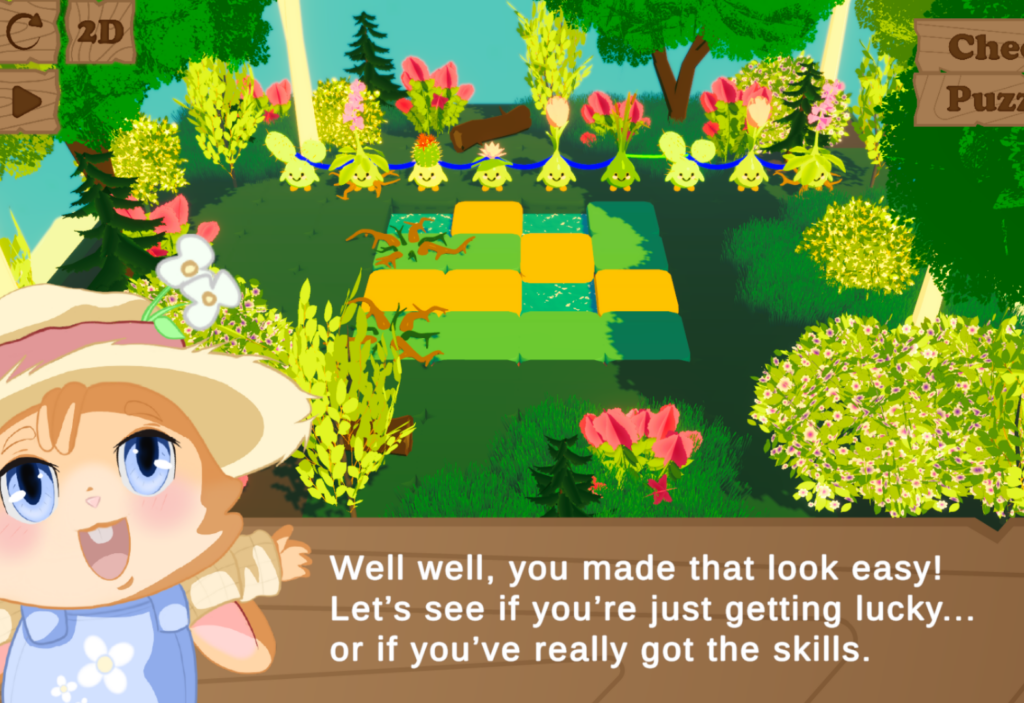
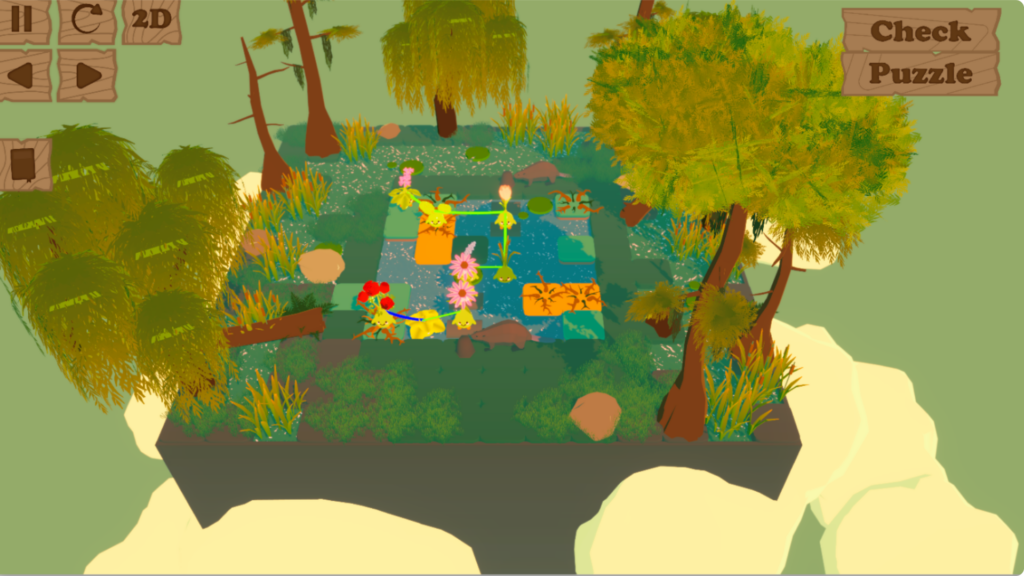
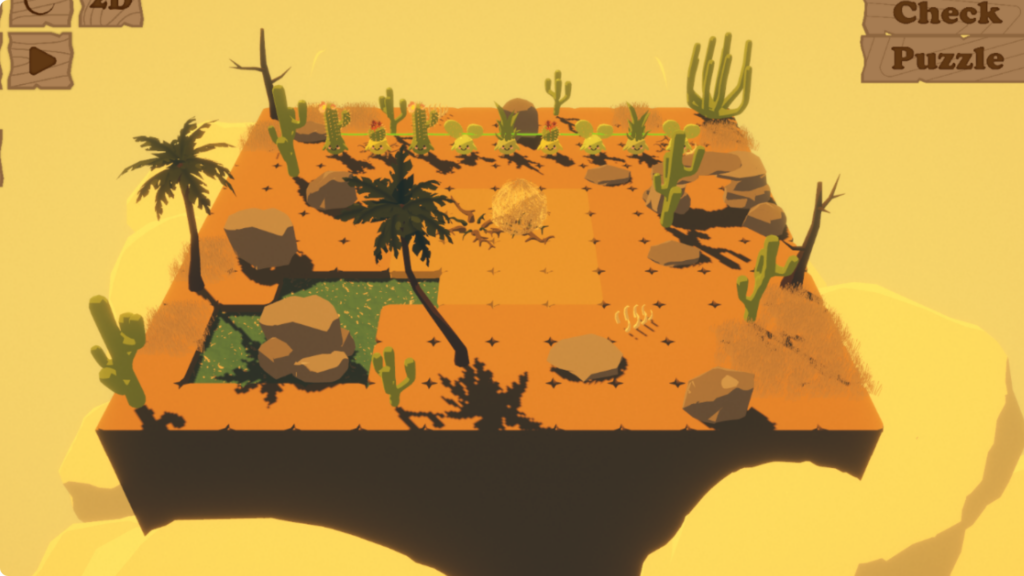
Garden of Life is a colorful citizen science game in which players contribute to scientific research. In a whimsical garden, they place plants and flowers under different conditions to explore potential solutions to a complex biological challenge.
The puzzles are based on research into the binding of patient-specific peptides. The collected solutions can help scientists identify potential patterns that may be relevant to personalized treatments for B-cell lymphoma.
Assignment
Games for Health commissioned GameLab Oost to translate complex biochemical knowledge into an accessible and engaging game. The central question was whether human problem-solving abilities could contribute to research into peptide binding, a process that existing predictive models cannot always fully explain.
The challenge was twofold: players needed to be able to understand the puzzles without specialized prior knowledge, while their solutions also had to generate valuable data for further scientific research. The game therefore needed to be entertaining, flexible, and suitable for scientific analysis.
Development began with research into protein folding, amino acids, and how peptides can bind to a specific protein. For this, the team collaborated with a researcher specializing in biochemistry and cancer research.
The team also explored existing citizen science games in which players contribute to solving scientific challenges. Garden of Life aimed to offer the same societal value while being more accessible to new players and providing shorter gameplay sessions.
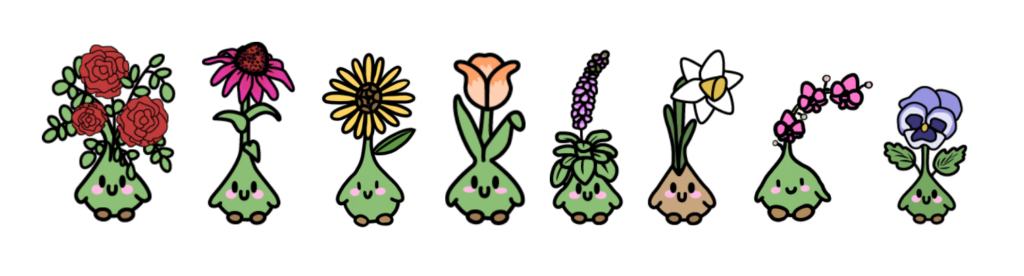
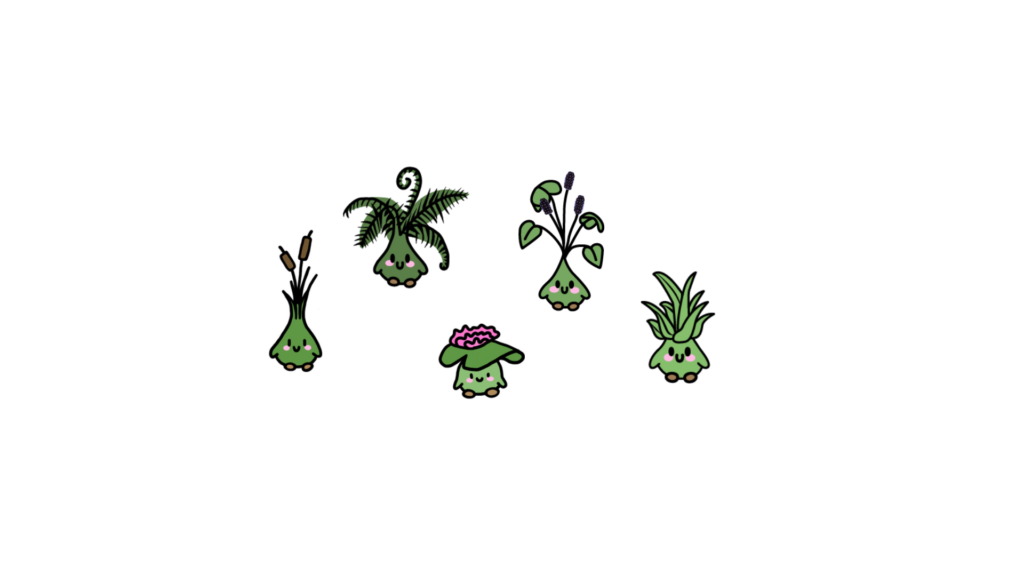
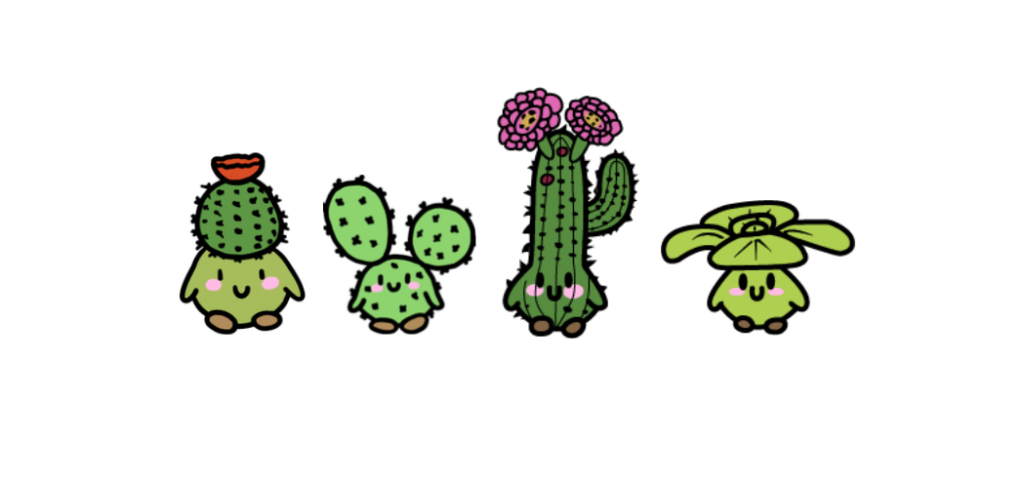
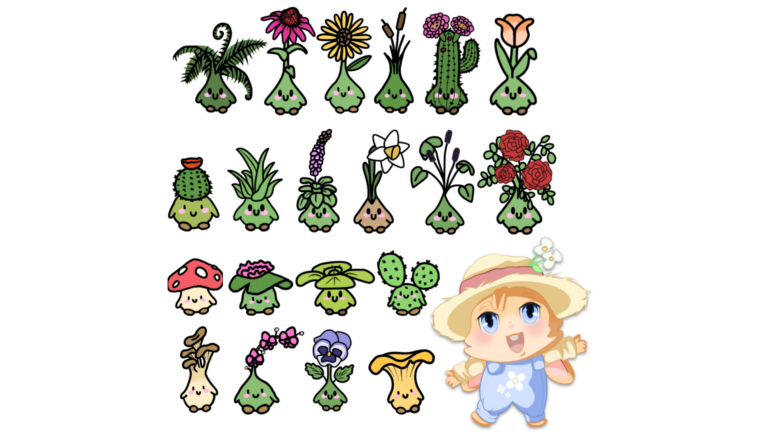
During the initial concept development, amino acids were represented as gemstones and building blocks. Ultimately, the team chose plants and flowers. The area where binding takes place was transformed into a garden, making the underlying science easier to understand and visually engaging.
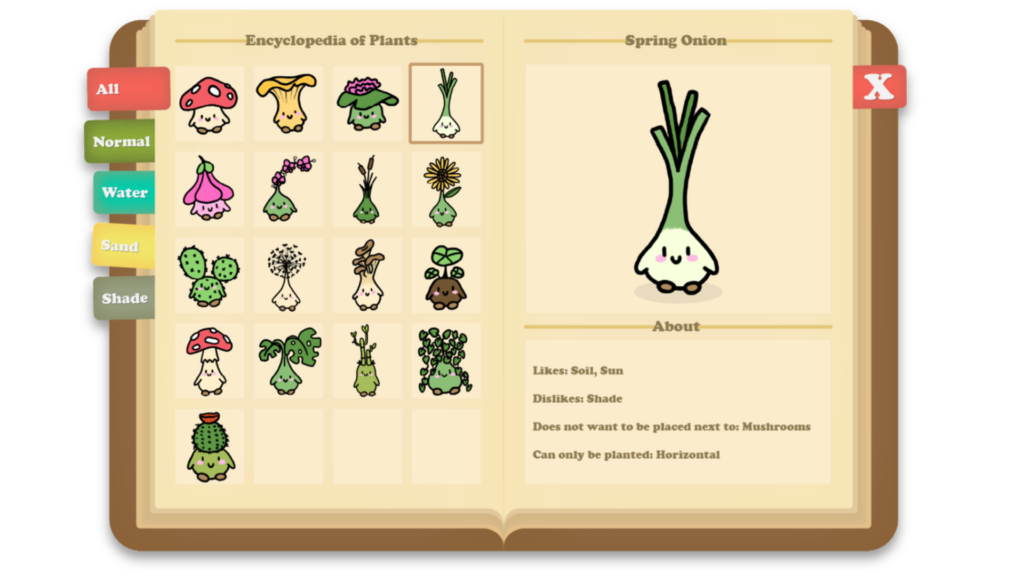
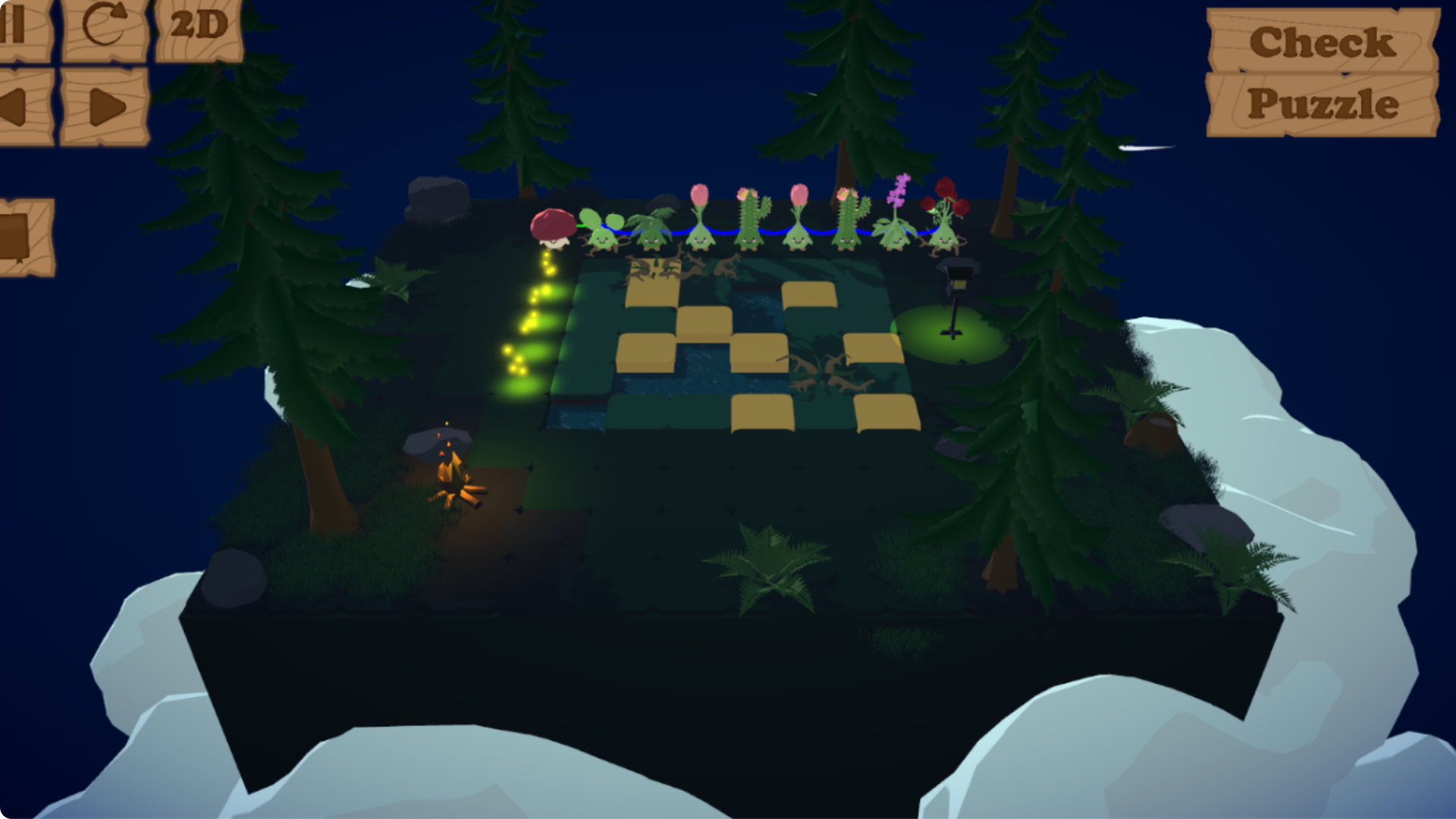
During the ideation phase, the team explored how scientific conditions could be translated into understandable puzzle mechanics. Players experiment with the placement and properties of plants, aiming to create the best possible conditions in their garden.
Because the scientific challenge does not always have a single demonstrably correct solution, the game could not rely on a simple right-or-wrong evaluation. Instead, a flexible scoring system was designed to take various biological factors into account.
This approach allows game mechanics and scientific assumptions to be adjusted at a later stage. By comparing solutions from large numbers of players, researchers can identify potential connections and recurring patterns.
A multidisciplinary team of student developers, game designers, and 2D and 3D artists collaborated on the prototype. Scientific information was translated into puzzle mechanics, visual elements, and an accessible user interface.
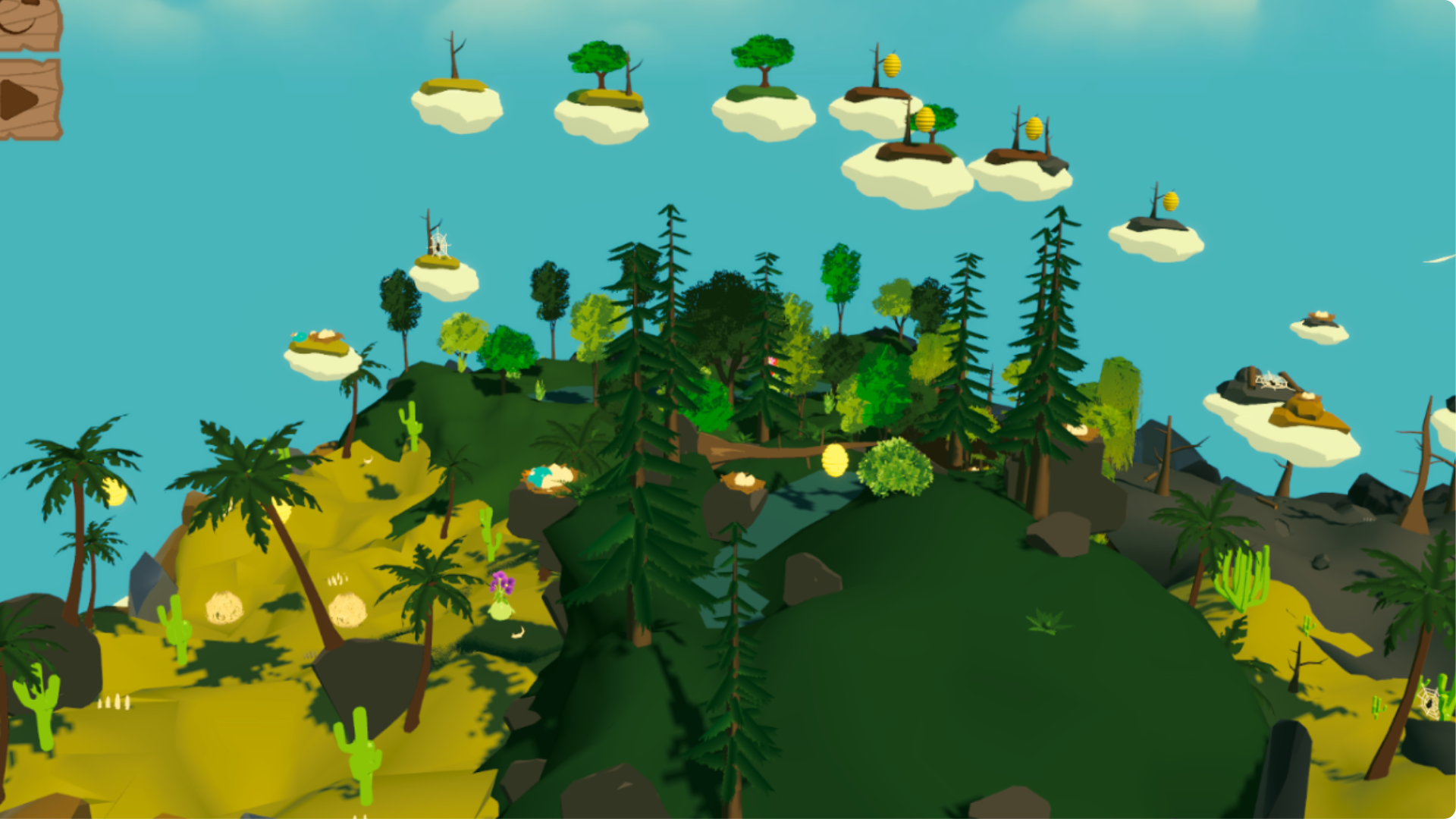
Using biological databases, the structure of a peptide-binding site was transformed into the garden's landscape. Amino acids and other biological properties were represented through recognizable shapes, colors, and gameplay mechanics.
The technical development was designed with future improvements in mind. Scientific factors can be added, removed, or weighted differently, allowing the game to evolve alongside new research findings. At the same time, the gameplay experience remained accessible to people without a background in biochemistry.
The result is a playable and flexible puzzle game that combines citizen science and game design. In short gameplay sessions, players can experiment with different solutions and contribute valuable data for further scientific research.
Garden of Life demonstrates how an abstract scientific challenge can be transformed into an understandable and visually engaging experience. The prototype provides a foundation that Games for Health can further refine and adapt to new scientific insights and research objectives.
The game does not replace laboratory research or medical evaluation, but offers an additional way to incorporate human pattern recognition into solving a complex scientific challenge.